 Clinic
Review Article | DOI: https://doi.org/10.31579/2835-7957/164
Pharmaceutical Applications of Interfacial Rheology in Emulsion and Suspension Design
- Shaik Rasheed 1*
- Arige Saidatri 2
- V.L. Vinod Kumar 3
- Yarra Sai Phanindra 4
- Kinnera Lakshmi Niharika 5
1Assistant Professor, Department of Pharmaceutics, Chennupati Indo American School of Pharmacy, Jonnalagadda, Narasaraopet.
2Associate Professor, Department of Pharmaceutical Analysis, V.V. Institute of Pharmaceutical Sciences, Gudlavalleru.
3Associate Professor, Department of Pharmaceutics, V.V. Institute of Pharmaceutical Sciences, Gudlavalleru.
4Assistant Professor, Department of Regulatory Affairs, Chennupati Indo American School of Pharmacy, Jonnalagadda, Narasaraopet.
5PG Student, Department of Pharmaceutical Analysis, A.M. Reddy Memorial College of Pharmacy, Narasaraopet.
*Corresponding Author: Shaik Rasheed, Assistant Professor, Department of Pharmaceutics, Chennupati Indo American School of Pharmacy, Jonnalagadda, Narasaraopet.
Citation: Shaik Rasheed, Arige Saidatri, V.L. Vinod Kumar, Yarra S. Phanindra, Kinnera L. Niharika, (2026), Pharmaceutical Applications of Interfacial Rheology in Emulsion and Suspension Design, Clinical Reviews and Case Reports, 5(3); DOI:10.31579/2835-7957/164.
Copyright: © 2026, Shaik Rasheed. This is an open-access article distributed under the terms of the Creative Commons Attribution License, which permits unrestricted use, distribution, and reproduction in any medium, provided the original author and source are credited.
Received: 27 April 2026 | Accepted: 15 May 2026 | Published: 25 May 2026
Keywords: interfacial rheology; emulsions; suspensions; viscoelastic modulus; nanoemulsions; drug delivery systems; pharmaceutical stability; surfactants; polymers; targeted drug delivery
Abstract
Interfacial rheology the study of viscoelastic interfaces between immiscible phases is crucial to pharmaceutical emulsions and suspensions. The mechanical integrity of the interfacial membrane determines the stability of dispersed droplets or particles for oral, parenteral, topical, and ocular drug delivery. Interfacial tension, viscoelastic modulus, dilatational and shear responses, and bulk rheology differentiated from interfacial rheology in this review impact formulation performance. The physical basis of interfacial stabilization applies to emulsions and suspensions, including surfactants, polymers, and proteins. To study interface behavior, we use analytical tools like dilatational rheometry, interfacial shear, and microscopic and spectroscopic methods. Interfacial rheology has been used to stabilize nanoemulsions, make longer-lasting injectable suspensions, create controlled-release systems with structured interfaces, and improve lipid-based formulations for poorly soluble drugs. Even though the technique has predictive stability assessment potential, measuring sensitivity at low interfacial concentrations, environmental impacts (such as pH, temperature, and ionic strength), and applying laboratory results to industrial-scale manufacture are still challenges. Future research could focus on smart, stimuli-responsive interfaces, site-specific dispersion by targeted interfacial engineering, and predictive formulation design utilizing AI. Colloid science and pharmaceutical technology form the basis for stable, therapeutically effective next-generation drug delivery systems using interfacial rheology.
1.Introduction
Rheology—the study of how matter flows and deforms—is essential for drug delivery system development, improvement, and testing in the pharmaceutical industry. Interfacial rheology is gaining attention because it affects multiphase formulation stability and performance. This subfield explores immiscible phase interface mechanical and viscoelastic properties [1]. Phase interfaces regulate sedimentation, coalescence, flocculation, and droplet or particle aggregation in pharmaceutical emulsions and suspensions. Surfactants, polymers, and proteins form interfacial coatings, which affect the formulation's physical stability and shelf life by resisting deformation. The particle-liquid interface's interfacial rheology controls wetting, dispersion, and aggregation in suspensions and maintains droplets' integrity in emulsions. Formulators who understand interfacial viscoelasticity and can anticipate and manage destabilizing processes like Ostwald ripening and creaming can improve product robustness [2]. Interfacial characterisation techniques now accurately determine interfacial shear and dilatational moduli, allowing microstructural properties to be linked to macroscopic performance. For drug administration, emulsions and suspensions can increase patient compliance, regulate release kinetics, and solubilize poorly water-soluble drugs. Interfacial rheology can improve stability, bioavailability, and therapeutic efficacy. This paper will examine how interfacial rheology is used to develop and optimize pharmaceutical emulsions and suspensions to maximize their efficacy. While addressing basic ideas, measuring methods, and real-world case studies, it will highlight challenges, research trends, and future directions. Mixing formulation science with interfacial rheology helps create more stable and effective pharmaceutical formulations.
2. Fundamentals of Interfacial Rheology
2.1 Definition and Basic Concepts
"Interfacial rheology" studies molecular flow and deformation at the interface of two incompatible phases, usually liquid-liquid or liquid-air systems. Bulk rheology analyzes the flow characteristics of a material as a whole, while interfacial rheology studies the thin layer of molecules at the phase boundary [4]. This interfacial area has different viscoelastic properties than the bulk due to molecular adsorption, packing, and rearrangement. Important factors in interfacial rheology include viscoelastic modulus (storage and loss modulus G′ and G″) and interfacial tension (energy needed to increase interface surface area). Dialational and shear rheology are the main interfacial rheological behaviors investigated. Dilatational rheology analyzes the interface's response to periodic compression and expansion, while shear assesses tangential deformation resistance [5]. These qualities predict emulsion and suspension stability, which is important since stronger, more elastic surfaces are less prone to coalesce or aggregate.
2.2 Physicochemical Basis
The type and configuration of adsorbed molecules determine surface mechanical properties. Surfactants reduce interfacial tension and form protective coats to prevent droplets from aggregating. Proteins denaturate and cross-link to form strong, elastic networks, while polymers form thicker, more viscoelastic layers that prevent instability [6]. Interfacial films arise due to molecular migration, free energy reduction, and structural layer generation. Rigid, elastic films resist shaking, pumping, and temperature cycling, but fluid or weak surfaces make the formulation more unstable. Rheological strength indicates film stability.
3. Interfacial Rheology in Pharmaceutical Emulsions
3.1 Overview of Pharmaceutical Emulsions
Pharmaceutical emulsions are thermodynamically unstable and heterogeneous systems with one immiscible liquid suspended in another and stabilized by emulsifiers. Emulsions include oil-in-water (O/W) systems, which distribute oil droplets in aqueous medium, water-in-oil (W/O) systems, and multiple emulsions, such as W/O/W or O/W/O, which are utilized for controlled or prolonged drug release [7]. There are several uses for medicinal emulsions. Creams and lotions use topical emulsions to deliver APIs to the skin. Parenteral emulsions are employed in lipid-based intravenous feeding and injectable medicament carriers to make hydrophobic drugs more soluble. Oral emulsions improve bioavailability and palatability, while ophthalmic ones deliver hydrophobic drugs to the eye.
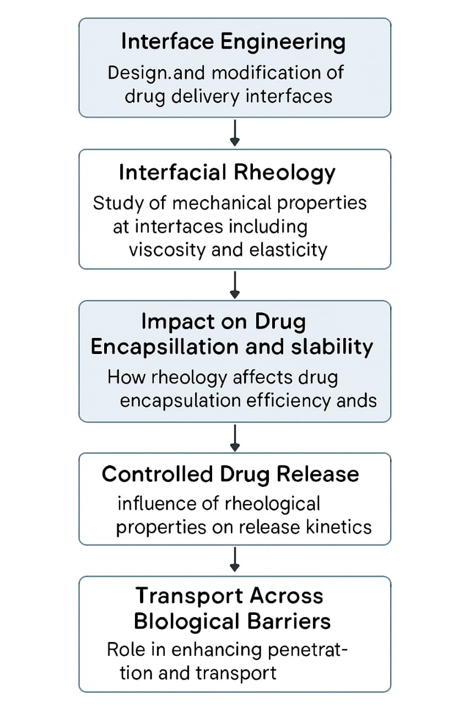
Figure 1: Role of Interfacial Rheology in Emulsions and Suspensions
3.2 Role of Interfacial Rheology in Emulsion Stability
The interfacial film's strength and viscoelasticity around scattered droplets stabilizes emulsions. Poor interfacial barriers lead droplets to agglomerate, and Ostwald ripening occurs when smaller droplets dissolve and redeposit into larger ones due to chemical potential differences. System resistance to
destabilizing processes like these depends on interfacial rheology [8]. High interfacial viscoelastic modulus interfaces survive longer because they can bear shear and dilatational loads without deforming. Flexible interfaces can better absorb mechanical shocks during handling and shipping, slowing droplet size increase.
3.3 Case Studies & Examples
Protein-based emulsifiers like casein and whey protein isolate adsorb with water at the oil-water interface to form strong, elastic interfacial layers. These strata stabilize the contact by reducing interfacial tension and adding electrostatic and steric characteristics. For instance, O/W emulsions stabilized with whey protein resist coalescence better than those stabilized with low-molecular-weight surfactants under mechanical and thermal stress [10]. Nanoemulsion systems with droplet sizes less than 200 nm require interfacial rheology to increase kinetic stability and bioavailability. Studies show that polymer-surfactant complexes or protein-polysaccharide conjugates boost nanoemulsion stability and interfacial flexibility under varied pH and ionic strength, facilitating oral and parenteral medication delivery.
4. Interfacial Rheology in Pharmaceutical Suspensions
4.1 Overview of Suspensions in Drug Delivery
There is a liquid middle and solid bits spread out in a pharmaceutical suspension, which is a two-phase system. They are made when an API doesn't mix well with a dispersion medium or when a solid dosage form doesn't work for how the medicine is meant to be taken. There are three main types of suspensions: those that are meant to be taken by mouth (like antacids and pediatric antibiotic formulations), those that are meant to be injected (like long-acting depot formulations for antipsychotics and corticosteroids), and those that are meant to be put on the skin (like ophthalmic suspensions and dermatological treatments) [11]. Sedimentation, aggregation, or caking can make dose uniformity and treatment effectiveness worse, so it is very important that these systems are physically stable.
4.2 Interfacial Phenomena in Suspensions
The stability of mixtures is mostly determined by how the solid and liquid interact with each other. If the liquid medium doesn't wet the solid particles enough, they will stick together or float, which defeats the goal of uniform dispersion. By changing the interfacial tension with the dispersion medium, a wetting agent or surfactant can change how the particles wet [12]. Another important thing to think about is how stabilizers stick to particle surfaces, which can be done by surfactants, polymers, or proteins. This adsorption process works to make particles less likely to stick together by lowering the interfacial tension and creating steric or electrostatic repulsion between them.
4.3 Stabilization Mechanisms
Pharmaceutical suspensions can be kept stable by adding interfacial layers that are strong and flexible enough to stop particles from sticking together due to Brownian motion or gravity. Interfacial rheology gives a numerical value of the film's strength and flexibility, which helps the formulators guess how stable the suspension will be over time. Polymeric inhibitors [13], like hydroxypropyl methylcellulose and xanthan gum, offer steric hindrance by making particles farther apart and lowering van der Waals forces. Surfactant stabilizers like polysorbates and sodium lauryl sulfate make it easier for particles to stick together, lower the tension between surfaces, and change the charge on the surface to make it more electrostatically stable. Interfacial rheological studies tell us which stabilizers to use and how to mix them so that the structure stays stable over time without changing the way drugs are released.
5. Analytical Techniques for Measuring Interfacial Rheology
5.1 Interfacial Shear Rheometers
Interfacial shear rheometers measure how an interface responds to tangential displacement to find out its shear elasticity (G′) and shear viscosity (G″). The torsion pendulum involves twisting an interface ring or plate and studying its oscillatory motion. The double-wall ring (DWR) geometry involves placing a thin wire ring at the interface and rotating it to apply shear. And the bicone geometry involves immersing a shallow cone partially in the interface of two fluids that don't mix. These tools can be used to check the mechanical strength of interfacial films in emulsions and suspensions that are supported with proteins or polymers.
5.2 Interfacial Dilatational Rheometers
Dilatational rheometers measure how resistant a surface is to stretching and shrinking and give us the dilatational elastic modulus (E′) and viscous modulus (E ). One way to use bubble shape analysis is to look at the shape of a rising bubble or pendant drop as its surface area changes over time. By changing the area of the drop or bubble in a sinusoidal way, the oscillating drop method looks at how the dynamic interfacial tension responds. These methods work really well for studying how quickly surfactants are absorbed and how films reorganize in pharmaceutical systems.
5.3 Microscopic and Spectroscopic Methods
When two methods are used together, they shed light on the molecular structure of the contact. Atomic force microscopy (AFM) lets you see the structure and arrangement of molecules in interfacial layers up close. Brewster angle microscopy (BAM) makes it possible to see interface monolayers without marking them without touching them [14]. Protein and lipid films are great examples of these types of films. Even though it's not directly connected to rheology, measuring interfacial tension is one of the most important ways to find out about surface activity and how well stabilizers work. It also serves as a standard for rheology research.
Comparison of Techniques, Advantages, and Limitations
While interfacial shear rheometry is very good at detecting the formation of stiff and stretchy films, it may not tell us much about surfaces that behave more like fluids. Dilatational methods are the best way to describe how surfactants behave, but they need precise control over the shape of the drop [15]. Microscopy and spectroscopy can give you information about structure and makeup, but they are usually qualitative and need specialized tools. Using both of these approaches together is the smartest way to make safe pharmaceutical emulsions and suspensions because it gives you the most complete picture of how the two interact.
6. Pharmaceutical Case Studies and Research Advances
6.1 Nanoemulsions for Drug Solubilization
One way that nanoemulsions, which have droplet sizes generally less than 200 nm, might help make medications that don't dissolve well in water more bioavailable and soluble. Given the large overall interfacial area and the need for strong stabilization because the droplets are so small, the interfacial rheological characteristics have a big impact on the kinetic stability [16]. Studies show that the high interfacial elasticity of nanoemulsions supported with protein-polysaccharide conjugates, such as whey protein-pectin complexes, stops the particles from sticking together while they are being stored and moved through the digestive system. Curcumin and cyclosporine are two examples of lipophilic drugs that have worked well with these methods to make them easier to take by mouth.
6.2 Long-acting Injectable Suspensions
Controlled dispersion of drug particles in a liquid substance is an important part of depot formulations. This makes it possible for the release to last for weeks or months. The interfacial film that covers the particles controls how the drug is released and how stable the suspension is. Polymeric stabilizers make layers of flexible interfacial material in long-acting solutions of antipsychotic drugs like paliperidone palmitate [17]. These layers keep the drugs from sticking together and allow for controlled release rates. Interfacial rheological studies have been very helpful in choosing the best stabilizers for long-term stability and ease of injection.
6.3 Controlled Release via Interfacial Structuring
By tailoring interfacial properties, formulators can engineer emulsions or suspensions that release drugs in a controlled manner. Structured interfacial films incorporating biopolymers or cross-linking agents can act as semi-permeable barriers, slowing drug diffusion [20]. For example, multiple emulsions (W/O/W) with cross-linked protein layers have been shown to provide extended release of hydrophilic drugs, while maintaining stability against coalescence and osmotic stress.
6.4 Lipid-based Formulations for Poorly Soluble Drugs
Self-emulsifying and lipid-based drug delivery systems (LBDDS) are increasingly used for BCS Class II and IV drugs. Interfacial rheology aids in understanding the emulsification process upon dispersion in gastrointestinal fluids and in predicting the stability of the resulting emulsion droplets. Patented systems, such as those for fenofibrate and ritonavir, incorporate surfactant–lipid blends optimized for rapid emulsification and resistance to coalescence, as validated by interfacial modulus measurements.
7. Challenges and Limitations
Interfacial rheology is becoming more important in the field of pharmaceutical formulation science, but it is still hard to use in solutions and emulsions. When there are tiny concentrations at the interface, measurement sensitivity is a big problem. Many drug-related systems work at stabilizer levels just above the critical micelle concentration, even though the coats on the surfaces are thin and weak. Traditional rheometers can't pick up on even the smallest changes in viscoelastic properties at very low amounts [18]. This makes it hard to come to firm conclusions about how long-term stability is related to the properties of the interface. Things get even more complicated when you consider the effects of outside factors like temperature, pH, and ionic strength. When proteins in protein-stabilized emulsions become denatured, they can lose their flexibility at high temperatures. Also, changes in pH can affect the ionization state of stabilizers, which in turn impacts the strength of the film and electrostatic resistance. Even though the interfacial rheology is originally helpful, particles or droplets can still stick together in places with high ionic strength because the electrical double layer around them gets squeezed.
8. Future Perspectives
The future of pharmaceutical emulsions and suspensions' interfacial rheology will be shaped by cutting edge material science, computer models, and custom treatment methods. A good step forward would be to make smart interfaces that respond instantly to physiological signs like temperature, pH, or enzyme activity. For example, pH-responsive interfacial coatings could break down in the neutral pH of the gut to help medications release in the right place, but they would stay stable in the acidic environment of the stomach. In the same way, interface thermoresponsivepolymers might control the rate at which medications are released based on changes in temperature in the area, and disease-specific conditions could cause payload release through enzyme-sensitive links. Using interface engineering to get certain drugs to people is another area that looks promise. By adding ligands that bind to cell surface receptors to stabilizers, it is possible to use emulsions and suspensions to target specific organs or disease sites. This customized approach is very helpful for oncology and precision medicines because it improves the effectiveness of treatment while lowering the risk of side effects.
9. Conclusion
Interfacial rheology is now a must-have method for making medicine emulsions and suspensions more stable. Scientists who make medicines study the viscoelastic properties of interfaces to figure out how stabilizers affect droplet/particle interactions, coalescence resistance, and the product's total shelf life. Surfactants, polymers, or proteins can all be used as stabilizers. This review has mostly been about the main differences between bulk and interfacial rheology and how they impact systems that release drugs. It has been shown that strong, elastic interfacial coatings can improve the safety and effectiveness of therapeutics in controlled-release systems, lipid-based formulations, long-acting suspensions, and nanoemulsions. Interfacial rheology can be used for more than just its usual tasks because it connects molecular interactions with stability results at the macro level. Because of this, it works well as an extra tool for regular stability testing, especially for screening formulas quickly. But there are still problems to solve, like how it affects the environment, how hard it is to make the measurements more accurate at low concentrations, and the need for standardized methods that can be accepted by regulatory systems. Next-generation drug formulations have a bright future ahead of them thanks to progress in smart interfaces, targeted interfacial engineering, AI-driven predictive models, and combining these with personalized medicine. Combining computational and patient-specific data with what we've learned from experimental rheology can help us make better drug delivery methods. It is possible for these methods to be stable and work best for therapy. In the end, interfacial rheology helps connect colloid study with clinical use. This lets safer, more effective, and patient-centered pharmaceutical products be designed in a smart way.
References
- Krstonošić, V., Pavlović, N., &Ćirin, D. (2023). Principles and applications of interfacial rheology in (pre) formulation development of pharmaceutical preparations. Archives of Pharmacy, 73(Notebook 5), 337-357.
View at Publisher | View at Google Scholar - Huang, N. (2019). Rheological characterization of pharmaceutical and cosmetic formulations for cutaneous applications. Current pharmaceutical design, 25(21), 2349-2363.
View at Publisher | View at Google Scholar - ValipourGoodarzi, B., &Foudazi, R. (2025). Rheology and Structure of Emulsions. Langmuir.
View at Publisher | View at Google Scholar - Marquez, R., &Salager, J. L. (2025). Measurement techniques for interfacial rheology of surfactant, asphaltene, and protein-stabilized interfaces in emulsions and foams. Colloids and Interfaces, 9(1), 14.
View at Publisher | View at Google Scholar - Simões, A., Miranda, M., Cardoso, C., Veiga, F., & Vitorino, C. (2020). Rheology by design: A regulatory tutorial for analytical method validation. Pharmaceutics, 12(9), 820.
View at Publisher | View at Google Scholar - Czaikoski, A., Gomes, A., Kaufmann, K. C., Liszbinski, R. B., de Jesus, M. B. et al. (2020). Lignin derivatives stabilizing oil-in-water emulsions: Technological aspects, interfacial rheology and cytotoxicity. Industrial crops and products, 154, 112762.
View at Publisher | View at Google Scholar - Kamkar, M., Bazazi, P., Kannan, A., Suja, V. C., Hejazi, S. H. et al. (2020). Polymeric-nanofluids stabilized emulsions: Interfacial versus bulk rheology. Journal of Colloid and Interface Science, 576, 252-263.
View at Publisher | View at Google Scholar - Yandrapalli, N. (2024). Complex emulsions as an innovative pharmaceutical dosage form in addressing the issues of multi-drug therapy and polypharmacy challenges. Pharmaceutics, 16(6), 707.
View at Publisher | View at Google Scholar - Nash, J. J. (2019). Interfacial Rheology and the Controlled Fabrication and Disruption of Stabilized Emulsions (Doctoral dissertation, Purdue University).
View at Publisher | View at Google Scholar - Muntz, I., Richards, J. A., Brown, S., Schofield, A. B., Rey, M. et al. (2023). Contactless interfacial rheology: Probing shear at liquid–liquid interfaces without an interfacial geometry via fluorescence microscopy. Journal of Rheology, 67(1), 67-80.
View at Publisher | View at Google Scholar - Yang, J., Gu, Z., Cheng, L., Li, Z., Li, C. et al. (2021). Effect of temperature, pH, and ionic strength on the structure and physical stability of double emulsions prepared with starch. Lwt, 141, 111086.
View at Publisher | View at Google Scholar - Lieberman, H., Rieger, M., & Banker, G. S. (Eds.). (2020). Pharmaceutical dosage forms: Disperse systems. CRC Press.
View at Publisher | View at Google Scholar - Dieng, S. M., Omran, Z., Anton, N., Thioune, O., Djiboune, A. R. et al. (2020). Pickering nano-emulsions stabilized by Eudragit RL100 nanoparticles as oral drug delivery system for poorly soluble drugs. Colloids and Surfaces B: Biointerfaces, 191, 111010.
View at Publisher | View at Google Scholar - de Carvalho-Guimarães, F. B., Correa, K. L., de Souza, T. P., Rodriguez Amado, J. R., Ribeiro-Costa, R. M. et al. (2022). A review of Pickering emulsions: perspectives and applications. Pharmaceuticals, 15(11), 1413.
View at Publisher | View at Google Scholar - Fournier, R., CayeDíaz, M., Cranston, E. D., &Frostad, J. M. (2023). Apparent failures in interpretation of interfacial characterization when formulating emulsions stabilized by cellulose nanocrystals. Langmuir, 39(39), 13921-13931.
View at Publisher | View at Google Scholar - Zhou, Q., Wang, W., Jiang, Z., Cao, Y., & Xiao, J. (2024). Enhancing stability of Pickering emulsions: Insights into the interfacial dynamics of Zein-MCT composite nanoparticles. Food Hydrocolloids, 148, 109504.
View at Publisher | View at Google Scholar - Wang, C., Guan, X., Sang, J., Zhou, J., Wang, C. et al. (2023). General liquid vegetable oil structuring via high internal phase Pickering emulsion stabilized by soy protein isolate nanoparticles. Journal of Food Engineering, 356, 111595.
View at Publisher | View at Google Scholar - Nie, C., Ye, Q., Chen, J., Zhuo, J., & Xiao, J. (2025). Influences of polysaccharide stabilizer and polyglycerol polyricinoleate on the stability of Pickering double emulsions revealed via microfluidic technology. Food Hydrocolloids, 163, 111046.
View at Publisher | View at Google Scholar