 Clinic
Review Article | DOI: https://doi.org/10.31579/2835-8325/198
Microplastics in Oral Healthcare in Dentistry
1 Research scientist, Department of Biotechnology, Greensmed Labs, Thoraipakkam, Chennai, India.
2 Former Director Grade Scientist, Centre for Cellular and Molecular Biology, Hyderabad, India.
*Corresponding Author: Purshotam Das Gupta, Research scientist, Department of Biotechnology, Greensmed Labs, Thoraipakkam, Chennai, India.
Citation: Banupriya Ravichandran, K Pushkala, and P.D. Gupta, (2026), Microplastics in Oral Healthcare in Dentistry, Clinical Research and Clinical Reports, 4(4); DOI:10.31579/2835-8325/198
Copyright: © 2026, P.D. Gupta. This is an open-access article distributed under the terms of the Creative Commons Attribution License, which permits unrestricted use, distribution, and reproduction in any medium, provided the original author and source are credited.
Received: 28 May 2026 | Accepted: 22 June 2026 | Published: 02 July 2026
Keywords: microplastics; oral health; Toothbrush bristles; oral microbiome; estrogen-mediated oral health
Abstract
Microplastics is an important environmental and biomedical health concern as it is widely used in healthcare, cosmetics, consumer products, and personal hygiene materials. Dentistry and oral health sectors are highly dependent on plastic-based materials, where people depend on tooth brushes, toothpastes, dental composite materials, orthodontic aligners, dentures, floss, and other oral clinical products. People in today’s scenario and Gen Z kids totally unfortunately rely on these materials and are exposed from age 1 to these microplastics till their lives end. It enters the oral cavity and interacts with saliva, affects oral microbiota, gingival tissues, and systemic circulation.
The oral cavity is the gateway for the entire metabolic process, where ingesting microplastics lead to gastrointestinal and systemic changes affecting the overall body functions. Recent research on microplastics suggests that it induces oxidative stress, inflammatory responses, endocrine disruption, microbial dysbiosis, and alter the immune system. Plastic-based endocrine disruptor such as bisphenol A is a major concern as it has the ability to affect the normal hormone signaling pathways, especially in estrogen-mediated oral health regulation. Estrogen is an important hormone involved in the maintenance of oral health, as it plays a critical role in gingival integrity, wound healing, collagen synthesis, and regeneration of the mucosal lining. Antimicrobial oral practices in children interfere with the oral microbiota and cause health concerns as it affects the digestion and immune maturation.
Though the indispensable role of plastic is significant in modern dentistry, sustainable and safe alternatives such as bamboo fibre brushes, neem-based oral care products, charcoal formulations, biodegradable dental composites, and an approach to green dentistry for young researchers, this review focuses on the sources, pathways, biological interactions, endocrine activities, microbiome disturbances, and sustainable alternatives for microplastics in oral health care.
Introduction
Plastics revolutionized the modern oral health system due to its wide usage and cost-effective nature [1]. Dentistry relies heavily on plastic-based materials for high-tech restorative protocols, maintaining oral hygiene, in prosthetics, in orthodontics, and many more [2]. Day to day used materials such as tooth brushes, tooth pastes, dental floss, resin composites, aligners, dentures, impression materials, suction devices and many more are manufactured using synthetic polymers [3] proves to be a contributory factor to disrupt in maintaining oral health in humans.
Among different plastics used in dentistry, soft plastics play an important role as it is flexible, having cushioning properties, patient comfort and adaptability to oral tissues [2,4]. It is mainly incorporated into
- orthodontic aligners,
- retainers,
- mouth guards,
- denture liners,
- pediatric dental appliances,
- suction tubes,
- saliva ejectors,
- soft relining materials,
- gingival barriers,
- impression materials,
- disposable gloves and tubing.
These materials are flexible polymers such as polyethylene, polyurethane, silicone, Polyvinyl chloride (PVC), thermoplastic elastomers and acrylic based soft resins [5]. It reduces tissue trauma, improve fit, and support minimally invasive dental procedures. In orthodontics, transparent thermoplastic aligners are gaining more attention due to its aesthetic appearance and easy to use [6].
An added advantage of soft plastics in clinical system is their susceptible to mechanical wear, thermal degradation, hydrolysis and friction-based fragmentation in the oral environment [7].
Continuous exposure to saliva, fluctuating pH, chewing forces, brushing abrasions and temperature change slowly degrades these materials and release microplastics through the oral cavity into body systems [8]. These soft polymers have high concentration of plasticizers and additives to maintain its stability nature which leaches over time and contribute to endocrine-disrupting effects [9].
Despite the substantial therapeutic benefits of plastics, their continuous use and degradation produce microscopic particles called microplastics (particles <5>
Microplastics not only present physically and causes toxicity, but enters the body and disturbs endocrine-disrupting additives involved in hormonal signaling pathways. These disturbances are especially pertinent to oral tissues, where body utilizes hormone such as estrogen for wound healing, vascularization, immune regulation and gingival homeostasis [11,12].
In order to overcome the impact of microplastics, the development of alternative sustainable oral care health products such as bamboo fiber tooth brushes, neem-based herbal pastes, charcoal-based formulations, and naturally derived oral hygiene products. These alternatives reduce the use of synthetic polymers to maintain the biocompatibility of oral hygiene products [13].
This review aims to explore the sources of microplastics in oral healthcare and the impact of plastics used in dentistry and bioplastics in oral and systemic health, endocrine implications, influence on oral microbiome and potential alternatives for future dentistry.
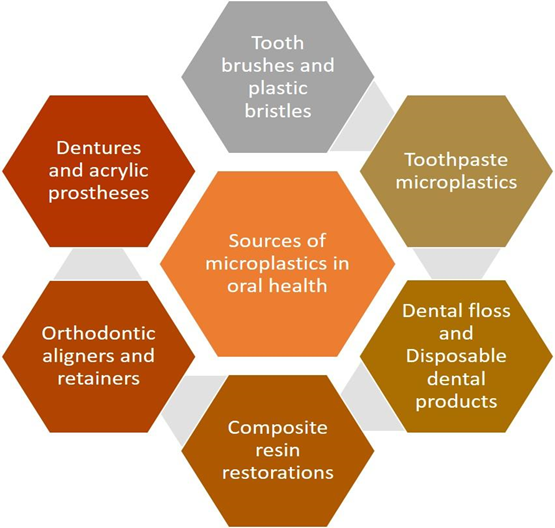
Figure 1: Different sources of microplastics in oral healthcare.
Toothbrushes and plastic bristles
Toothbrushes and plastic bristles are made of polypropylene handles and nylon bristles. Brushing and mechanical friction causes fragmentation of bristles and leads to microplastic particles into the oral cavity. Children are more vulnerable because of chewing the brush heads, accidental swallowing and improper brushing habits. Since the damaged brushes and bristles release toxic particles, care should be taken to replace them regularly [8,14].
Microplastics inToothpaste
Many tooth pastes have polyethylene or polypropylene microbeads to remove plaques, polishing and whitening. Direct oral exposure as well as ingestion during brushing contributes to environmental contamination which in turn accumulates within aquatic ecosystems and enters the food chain [15].
Dental floss and disposable dental products
Dental floss is manufactured with nylon, Teflon and synthetic polymers. During flossing, microscopic fibers remain in gingival tissues and some have fluorinated compounds capable of causing systemic toxicity.
Disposable products used in dentistry are made of plastic items and improper disposal leads to environmental microplastic contamination [8].
Composite resin restorations
Modern dentistry relies heavily on resin materials, which are composed of polymer matrices and filler particles. Chewing, mastication, polishing, and aging degrade the resins and release microplastics, which alter the oral microbiota and lead to chronic exposure [8].
Orthodontic aligners and retainers
It is made up of thermoplastic polymers present in daily wear, cleaning procedures, and mastication releases microplastic particles. These are more prevalent among youngsters [16].
Dentures and Acrylic prostheses
Surface degradation over time, mechanical cleaning and chemical disinfectants accelerate polymers to be fragmented and enter our system along with saliva [8].
Entry and fate of microplastics in the human body
Gateway for these microplastics to enter our body is mouth. These microplastics penetrate the oral lining by unintentional swallowing and biting of plastics present in the oral hygiene products. In addition, Saliva acts as a transport medium in to the gut. The microscopic natures of these particles cross biological barrier membranes enabling them to get incorporated into cells and tissues [17].
The oral cavity is lined by oral mucosa which are highly vascularized and permeable in [18]
- the sublingual mucosa
- buccal mucosa and
- gingival sulcus
In these areas, microplastics enter through different mechanisms [19] such as
Transcellular uptake
Microplastics is taken inside directly by epithelial cells by endocytosis, pinocytosis and passive diffusion. When microplastics enter inside the body, it penetrates deep into the tissue and reach blood vessels.
Paracellular transport
Inflammation, gingival damage and other dental issues causes a microscopic gap in the oral lining due to loosening of tight junction between epithelial cells to allow microplastics.
Uptake through immune cells
Macrophages and dendritic cells in oral tissues engulf these tiny particles as a part of immune surveillance, and immune cells transport these particles into lymphatic and circulatory systems.
Oral injury
Oral injuries caused by brushing vigorously, dental protocols, ulcers and orthodontic products force to loose mucosal integrity, increase permeability of oral tissues and allow the plastic particles to enter the oral lining.
On gaining entry these particles, enters the circulatory system and accumulate into distant organs such as liver, kidney, lungs, reproductive organ and recently reported in brain too resulting in chronic inflammation, oxidative stress, endocrine disruption, mitochondrial dysfunction, cellular inflammation, apoptosis, immune dysregulation and toxicity since, microplastics contain toxic substances such as heavy metals, plastic additives, endocrine disrupting chemicals and microbial toxins (Fig. 2).
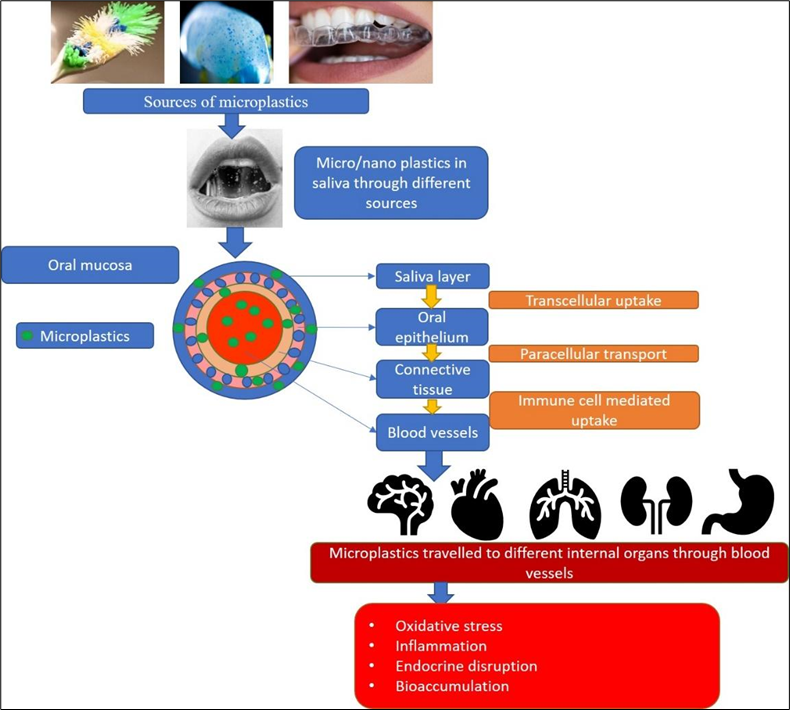
Figure 2: Mechanism of translocation of microplastics from oral healthcare products to systemic circulation.
Microplastics and the oral microbiome
The oral cavity is the gateway for the most complex microbial ecosystem [20] contributed by bacteria, fungi, viruses, and archaea responsible for maintaining oral and systemic health. These organisms help in digestion, metabolism, immune regulation, maintaining homeostasis, and preventing pathogenic colonization [21]. A balanced oral microbiome is essential in preserving periodontal integrity and protects against infectious and inflammatory diseases [22]. Dysbiosis in oral microbial equilibrium leads to [23]
- Dental problems
- gingivitis
- periodontitis
- halitosis and
- systemic inflammatory disorders
Microplastics present in the mouth through different sources alters the oral microbial ecosystem [24]. These microplastics particles interacts with organisms due to their hydrophobic surfaces and large surface-area to volume ratio which act as a substrate for attaching the microbes and develops biofilm. These microplastics support the colonization of opportunistic or pathogenic microorganisms, which alters the normal microbial composition. In addition, the role of microplastics
- changes the bacterial adhesion patterns,
- inflammatory response,
- interacts with salivary proteins and
- disrupt the microbial pathways
Chronic exposure to these microplastics and its chemicals disrupts the endocrine system causing oxidative stress and inflammatory responses in oral tissues, thereby disturbing and changing the microbial balance [25,26].
Let kids be kids
The oral microbiota in childhood is very important for immune maturation and digestive physiology. Excessive sterilization of the oral cavity in infants by using antimicrobial mouthwashes, bactericidal toothpastes and chemical disinfection disturb the beneficial microbial colonization [21]. Morning brushing is considered to be important but recent studies suggest that compared to morning, night brushing is more important for kids. The microbes present in morning has beneficial activity to aid in digestion [27,28] and other related mechanisms while night brushing removes harmful pathogens.
Moreover, night brushing maintains oral microbial balance because salivary flow decreases in sleep24. Reduced salivary action diminishes natural cleansing and anti-microbial activity, for prolonged bacterial metabolism and plaque accumulation overnight. Oral hygiene is essential and considered important to preserve the microbial diversity for long-term oral and systemic health in kids [29].
Oral microbiome and Gut health
In physiological perspective, oral bacteria lead to nitrate reduction pathways which influence cardiovascular and gastrointestinal functions. Oral microorganisms serve as an important microbial source for GI (gastrointestinal tract), thereby facilitating good gut microbial composition and its influence on digestion [30].
Microplastics entering the GI tract through mouth and oral care products, along with saliva and oral microorganisms, cause digestive abnormalities, potentially exacerbating gut dysbiosis and systemic inflammation. Altered changes of intestinal permeability, leaky gut facilitates the translocation of inflammatory mediators and toxic compounds into systemic circulation [30, 31].
Thus, the oral cavity and GI tract are closely interconnected through oral-gut microbiome axis [21,32] and prolonged exposure to microplastics disturb the delicate biological relationship and influence both oral and systemic health (Fig.3).
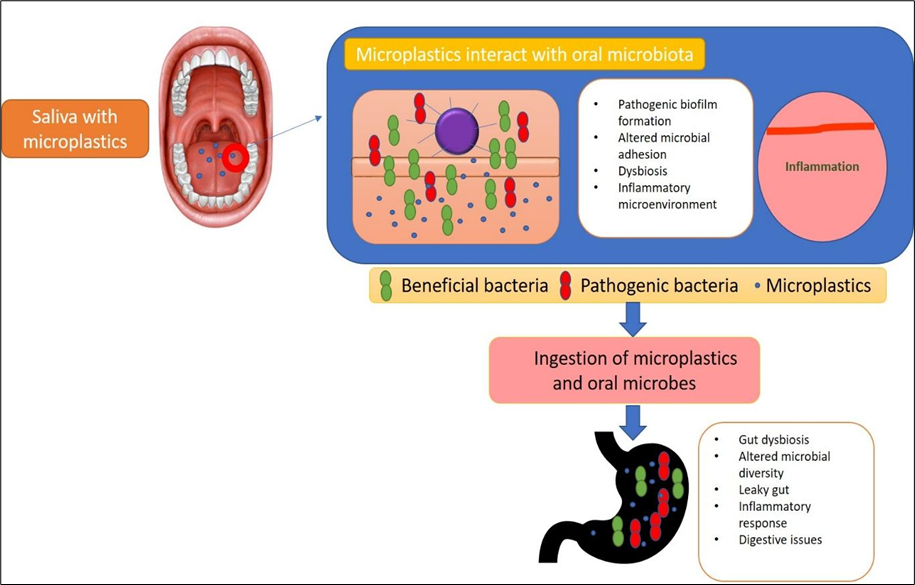
Figure 3: Impact of microplastics on the oral-gut microbiome axis.
Anti-inflammatory effects are modulated by cytokines and immune response through the action of estrogen, which helps to suppress inflammatory reactions [38,39,40] which otherwise contribute to periodontal disease progression.
Salivary gland response to estrogen balance signaling for the secretion of saliva and maintains oral lubrication, antimicrobial activity, and pH regulation. Reduced level of estrogen, especially at the time of menopause, is associated with xerostomia, burning mouth syndrome, and increased susceptibility to oral infections [41,25].
Thus, estrogen serves as a potential regulator of oral health by maintaining connective tissue integrity, supporting wound healing, controlling inflammation, and preserving mucosal homeostasis.
Endocrine disrupting chemicals in plastics
The microplastic contains BPA, phthalates, plasticizers and synthetic additives. These compounds act as xenoestrogens43,44, and interfere with hormone signaling pathways and systemic health concerns such as oxidative stress leads to cellular injury, chronic inflammation23, Gut dysbiosis21, immune dysfunction31, reproductive toxicity and neurological effects due to microplastic/nanoplastic translocation.
Sustainable and safe alternatives
Bamboo fiber toothbrushes [45] (Bambusa bambos L.)
An eco-friendly alternative to plastic brushes and has several advantages such as
- Environment friendly
- Biodegradable
- renewable resource
- lower environment burden
- natural antimicrobial properties
- reduced plastic waste
- good mechanical strength and
- moisture resistant
Neem based oral care [46,27] (Azadirachta indica L.)
A traditional method used in oral practice is Azadirachta indica L. Its advantages are
- antibacterial properties
- antifungal activity
- anti-inflammatory effects
- plaque-reducing ability
- Reduce chemical exposure
Bioactive compounds present in neem stop or inhibit the growth of S.mutans, plaque-forming bacteria, and gingival inflammation.
Charcoal-based oral care products [47, 48]
Activated charcoal is also one of the traditional practices in oral hygiene which was later destroyed due to modern plasticizer-containing pastes. Activated charcoal has now regained its importance due to
- adsorptive capacity
- stain-removal ability
- detoxification potential
- adsorb toxins
- reduce odour causing compounds
However, excessive abrasiveness should be avoided to prevent enamel erosion.
Herbal Dentifrices [49]
Herbal formulations reduce synthetic additives and microplastic abrasives which contains
- cloves (Syzygium aromaticum L.)
- miswak (Salvadora persica L.)
- tulsi (Ocimum tenuiflorum L.)
- neem (Azadirachta indica L.)
- licorice (Glycyrrhiza glabra L.)
Green dentistry50
Most recommended method against today’s harmful oral care products and to bring sustainable approach through green dentistry which
- reduce plastic consumption
- biodegradable materials
- sustainable waste management
- environmentally responsible clinical practices
Future perspective
Future research should emphasize on reduce the usage of oral microplastic exposure, salivary microplastic analysis, safe biomaterials to be evaluated, biodegradable dental polymers. Microbiome friendly oral healthcare products are to be properly screened before human use. This approach will pave the way for the minimal use of microplastics in oral therapeutics to improve the health of the individual.
Conclusion
Microplastics is an emerging concern in oral products and dentistry. Though plastics remain indispensable for modern dental practices, continuous exposure causes serious health effects. The microplastics interacting with the body's metabolism and its function show that there is an urgent need for safer and more sustainable dental practices. Plastic-derived particles and additives may disrupt microbial balance, interfere with hormonal regulation, and induce inflammatory reactions that can affect both oral and systemic health. In particular, the relationship between estrogen-mediated oral protection and endocrine-disrupting chemicals present in plastics emphasizes the biological complexity and potential health risks associated with long-term exposure to plastic-based oral healthcare products. Sustainable approaches and biodegradable materials are promising strategies to reduce plastic burden while preserving oral health. Future dentistry should balance clinical efficiency with sustainability and biosafety measures for further action on safe practice measures.
References
- Saha U, Jena S, Simnani FZ, Singh D, Choudhury A, Naser SS, Lenka SS, Kirti A, Nandi A, Sinha A, Patro S, Kujawska M, Suar M, Kaushik NK, Ghosh A, Verma SK, (2025). The unseen perils of oral-care products generated micro/nanoplastics on human health. Ecotoxicol Environ Saf. 2025 Jan 15; 290:117526.
View at Publisher | View at Google Scholar - Šimunović L, Bačić I, Meštrović S, (2025). Micro- and Nanoplastics in Dentistry: Challenges in Obtaining High-Quality Evidence. Materials (Basel). 2025 Sep 12;18(18):4269.
View at Publisher | View at Google Scholar - Chaudhary M, Giri AK, Giri A, (2026). Micro and nanoplastics in dentistry: emerging sources, health implications, and mitigation pathways: a narrative review. Saudi Dent J. 2026 Mar 13;38(3):30.
View at Publisher | View at Google Scholar - Umrai Shariff K, Le A, Goodwin-Loughton E, Chung M, Ali A, Farella M, Venugopal A, (2025). Microplastics and nanoplastics in clinical dentistry and orthodontics: leaching, health implications, and future directions: a narrative review. Prog Orthod. 2025 Nov 26;26(1):49.
View at Publisher | View at Google Scholar - Satchanska G, Davidova S, Petrov PD, (2024). Natural and Synthetic Polymers for Biomedical and Environmental Applications. Polymers (Basel). 2024 Apr 20;16(8):1159.
View at Publisher | View at Google Scholar - Tamer İ, Öztaş E, Marşan G, (2019). Orthodontic Treatment with Clear Aligners and The Scientific Reality Behind Their Marketing: A Literature Review. Turk J Orthod. 2019 Dec 1; 32(4):241-246.
View at Publisher | View at Google Scholar - Alqutaibi, A. Y., Alnazzawi, A. A., Farghal, A. E., Bakr, R. M., & Mahmoud, I. I. (2023). Impact of Acrylic and Silicone-Based Soft-Liner Materials on Biting Force and Quality of Life of the Complete Denture Wearers: A Randomized Clinical Trial. Journal of Clinical Medicine, 12(5), 2073.
View at Publisher | View at Google Scholar - Di Spirito F, Folliero V, Di Palo MP, De Benedetto G, Aulisio L, Martina S, Rinaldi L, Franci G, (2025). Micro- and Nanoplastics and the Oral Cavity: Implications for Oral and Systemic Health, Dental Practice, and the Environment-A Narrative Review. J Funct. Biomater. 2025 Sep 6;16(9):332.
View at Publisher | View at Google Scholar - Encarnação T, Pais AA, Campos MG, Burrows HD, (2019). Endocrine disrupting chemicals: Impact on human health, wildlife and the environment. Sci Prog. 2019 Mar;102(1):3-42.
View at Publisher | View at Google Scholar - Ziani K, Ioniță-Mîndrican CB, Mititelu M, Neacșu SM, Negrei C, Moroșan E, Drăgănescu D, Preda OT, (2023). Microplastics: A Real Global Threat for Environment and Food Safety: A State-of-the-Art Review. Nutrients. 2023 Jan 25;15(3):617.
View at Publisher | View at Google Scholar - Ullah S, Ahmad S, Guo X, Ullah S, Ullah S, Nabi G, Wanghe K, (2023). A review of the endocrine disrupting effects of micro and nano plastic and their associated chemicals in mammals. Front Endocrinol (Lausanne). 2023 Jan 16; 13:1084236.
View at Publisher | View at Google Scholar - P D Gupta, Shrishailappa Badami, (2024), Estrogens are essential for Good Health, Clinical Medical Reviews and Reports, 6(4).
View at Publisher | View at Google Scholar - Anwar MA, Sayed GA, Hal DM, Hafeez MSAE, Shatat AS, Salman A, Eisa NM, Ramadan A, El-Shiekh RA, Hatem S, Aly SH, (2025). Herbal remedies for oral and dental health: a comprehensive review of their multifaceted mechanisms including antimicrobial, anti-inflammatory, and antioxidant pathways. Inflammopharmacology. 2025 Mar; 33(3):1085-1160.
View at Publisher | View at Google Scholar - Cağla Öztürk Aytulun, Parisa Akbari Dana, Zhala Gachayzade, Kadir Gedik, Nur Balci, Hilal Toygar, (2025). Preliminary results on microplastic release from commercial toothbrushes during simulated brushing, Microchemical Journal, 216, 114680.
View at Publisher | View at Google Scholar - Sreenivasan PK, Haraszthy VI, Zambon JJ, (2011). The effect of a microbead dentifrice on microbial load in oral microenvironments. Int J Dent Hyg. 2011 May; 9(2):136-142.
View at Publisher | View at Google Scholar - Lombardo L, et al., (2015). Release of organic substances from orthodontic aligners: an in vitro study. Progress in Orthodontics.
View at Publisher | View at Google Scholar - Francis DL, Pape Reddy SS, (2025). Microplastics in the Pathogenesis of Periodontal Diseases: A Narrative Review. Ann Glob Health. 2025 Oct 3; 91(1):69.
View at Publisher | View at Google Scholar - Mazzinelli, E., Favuzzi, I., Arcovito, A., Castagnola, R., Fratocchi, G., Mordente, A., & Nocca, G. (2023). Oral Mucosa Models to Evaluate Drug Permeability. Pharmaceutics, 15(5), 1559.
View at Publisher | View at Google Scholar - Zhou, Q., M.Chen, Z.Wu, et al., (2026). From Oral Cavity to Whole Body: A Review of the Local and Systemic Toxicity Mechanisms and Health Risks of MNPs. Oral Diseases, 1–13.
View at Publisher | View at Google Scholar - Gupta P. D, (2021). The mighty microbiota: Regulator of the human body. Clinical Research and Clinical Trials. 2021.
View at Publisher | View at Google Scholar - Gupta P, Skiba D, Sawicka B, (2024). The indispensable role of bacteria in human life and environmental health. Journal of Cell and Tissue Research. 2024; 24:7495–7507.
View at Publisher | View at Google Scholar - Gupta PD. Bacteria: The powerful creatures: a mini review. J Cell Tissue Res. 2018; 18(3):6555–6558.
View at Publisher | View at Google Scholar - Gupta PD, (2021). Pathogenesis due to inflammation. Journal of Veterinary Medicine and Research. 2021
View at Publisher | View at Google Scholar - Gupta PD, Pushkala K, (2021). Functional interdependency between intestinal microbiota and biological clock. J New Medical Innovations and Research. 2021.
View at Publisher | View at Google Scholar - Prathiba V, Rao KS, Gupta PD, (2001). Altered expression of keratins during abnormal wound healing in human skin. Cytobios. 2001; 104(405):43–51
View at Publisher | View at Google Scholar - Gupta P, Pushkala A, (2019). Increasing woman’s health concern due to xenoestrogens and parabens: a review. Cell Tissue Res. 2019; 19:6829–6832.
View at Publisher | View at Google Scholar - PD Gupta, AK Asha, (2018). The Price we Pay for Overdose of Antibiotics: Is there any Alternative? COJ Tech Sci Res. 1(2). COJTS.000509. 2018.
View at Publisher | View at Google Scholar - Life Style Parenting Moments: Morning-vs-Night brushing which one is more important for kids
View at Publisher | View at Google Scholar - AlHarbi SG, Almushayt AS, Bamashmous S, Abujamel TS, Bamashmous NO, (2024). The oral microbiome of children in health and disease-a literature review. Front Oral Health. 2024 Oct 22; 5:1477004.
View at Publisher | View at Google Scholar - P.D. Gupta (2021) Fasting Gastrointestinal Tract: Changes in Structure, Functions and Microbiota Milieu J. Gastroenterology Pancreatology and Hepatobiliary Disorders. 5(3).
View at Publisher | View at Google Scholar - P D Gupta. (2021) The Mighty Microbiota: Regulator of the Human Body. Clinical Research and Clinical Trials. 3(5).
View at Publisher | View at Google Scholar - K Pushkala, P D Gupta, (2025), Influence of Fasting on gut Microbiota, Clinical Trials and Case Studies, 4(2).
View at Publisher | View at Google Scholar - Pushkala K, Gupta PD, (2001). Steroid hormones regulate programmed cell death: a review. Cytobios. 2001; 106(41 3):201–217.
View at Publisher | View at Google Scholar - Gupta PD, Johar K Sr, Nagpal K, Vasavada AR, (2005). Sex hormone receptors in the human eye. Surv. Ophthalmol. 2005 May-Jun; 50(3):274-284.
View at Publisher | View at Google Scholar - P D Gupta, (2024), Suitable Balance of Estrogen Keeps Good Health International Journal of Clinical Case Studies,3(2).
View at Publisher | View at Google Scholar - P D Gupta, Shrishailappa Badami, (2024), Estrogens are essential for Good Health, Clinical Medical Reviews and Reports, 6(4).
View at Publisher | View at Google Scholar - Palanisamy S, (2025). The impact of estrogen on periodontal tissue integrity and inflammation-a mini review. Front Dent Med. 2025 Feb 19; 6:1455755.
View at Publisher | View at Google Scholar - Rao KS, Zanotti S, Reddy AG, Rauch F, Mannherz HG, Gupta PD, (1998). Oestradiol regulated programmed cell death in rat vagina: terminal differentiation or apoptosis? Cell Biol Int. 1998; 22(2):105-113.
View at Publisher | View at Google Scholar - Gupta PD, Vijayasaradhi S, Reddy AG, (1983). Keratinization of rat vaginal epithelium. III. Effect of estradiol on keratinization. Biol Cell. 1989; 65(3):281-289.
View at Publisher | View at Google Scholar - Singh, S., & Gupta, P. (1997). Induction of phosphoinositide-mediated signal transduction pathway by 17 beta-oestradiol in rat vaginal epithelial cells. Journal of Molecular Endocrinology, 19(3):249-257. Retrieved May 13, 2026.
View at Publisher | View at Google Scholar - Tsinti M, Kassi E, Korkolopoulou P, Kapsogeorgou E, Moutsatsou P, Patsouris E, Manoussakis MN, (2009). Functional estrogen receptors alpha and beta are expressed in normal human salivary gland epithelium and apparently mediate immunomodulatory effects. Eur J Oral Sci. 2009 Oct; 117(5):498-505.
View at Publisher | View at Google Scholar - P D Gupta, K Pushkala. (2024). Understanding of Scar Less Wound Healing. Journal of Surgery and Postoperative Care. 3(1).
View at Publisher | View at Google Scholar - Gupta PD, (2020). Pushkala K. Parabens: The love - hate molecule. Clin J Obstet Gynecol. 2020; 3: 037-038.
View at Publisher | View at Google Scholar - P D Gupta. (2021) Potential Cause of Cancer Breast Cancer: Xenoestrogens, J Oncology and Cancer Screening, 3(4).
View at Publisher | View at Google Scholar - Van der Lugt P, Vogtländer J, Brezet H. (2009). Environmental assessment of industrial bamboo products. Journal of Cleaner Production. 2009;17(13):1173–1178.
View at Publisher | View at Google Scholar - Biswas, K., Chattopadhyay, I., Banerjee, R. K., & Bandyopadhyay, U. (2002). Biological activities and medicinal properties of neem (Azadirachta indica). Current Science, 82(11), 1336–1345.
View at Publisher | View at Google Scholar - Brooks JK, Bashirelahi N, Reynolds MA. 2017. Charcoal and charcoal-based dentifrices. Journal of the American Dental Association. 148(9):661–670.
View at Publisher | View at Google Scholar - Alshara S, Lippert F, Eckert GJ, Hara AT. (2020). Effect of charcoal-containing toothpastes on enamel surface roughness and color. Journal of Esthetic and Restorative Dentistry. 2020; 32(1):45–50.
View at Publisher | View at Google Scholar - Duane B, Stancliffe R, Miller FA, Sherman J, Pasdeki-Clewer E. (2020). Sustainability in dentistry: A multifaceted approach needed. Journal of Dental Research. 2020; 99(9):998–1003.
View at Publisher | View at Google Scholar - Mulimani P. (2017). Green dentistry: eco-friendly dentistry for sustainable development. International Journal of Oral Health Dentistry. 2017;3(4):203–206
View at Publisher | View at Google Scholar