 Clinic
Review | DOI: https://doi.org/10.31579/2834-8087/051
High Sugar Intake and the Destruction of Brain Repair Molecules: A Neurobiological and Metabolic Perspective
- Department of Pharmacy, University of Karachi, Pakistan
- Assistant professor Department of Pathology.
*Corresponding Author: Rehan Haider, Department of Pharmacy, University of Karachi, Pakistan
Citation: Rehan Haider, Hina Abbas , Shabana Naz shah, (2025), High Sugar Intake and the Destruction of Brain Repair Molecules: A Neurobiological and Metabolic Perspective, Archives of Clinical Investigation, 4(4); DOI:10.31579/2834-8087/051
Copyright: : © 2025, Rehan Haider. This is an open access article distributed under the Creative Commons Attribution License, which permits unrestricted use, distribution, and reproduction in any medium, provided the original work is properly cited.
Received: 10 July 2025 | Accepted: 17 July 2025 | Published: 30 July 2025
Keywords: Sugary diet; Brain repair; Neuroplasticity; BDNF; Oxidative stress; Insulin fighting; Cognitiv
Abstract
Abstract
Sugar gratification has currently been labeled as a main community health issue, affecting absorption and the brain. The intelligence demands an elaborate structure including the Brain-Derived Neurotrophic Factor (BDNF) pathway, insulin signaling, corrosion-fighting scheme, and lipid bilayer to expedite the mechanisms of neuroplasticity and self-repairing pathways of the mind . Excess carbohydrate swallow favors to upset the homeostatic balance of the brain on account of the mechanisms of oxidative damage, neuro-redness, mitochondrial damage, and insulin fighting in the brain containers precipitated by glut carbohydrate consumption . Experimental analyses have shown that waste carbohydrate consumption prevents the expression of BDNF, sinks the synaptic indicating pathways, and reduces the rate of neurogenesis in the hippocampus, encouraging the deficit of education and thought pathways caused on account of surplus carbohydrate consumption Furthermore, surplus sugar again deranges the requirement of neurotransmitters, which alters the permeability of the Blood-Brain barrier, thereby restricting the passing of listing neurons of necessary foods from the Blood-Brain barrier prompted due account of excessive carbohydrate consumption . Studies have identified that the able to be consumed consumption of overkill carbohydrates gravitates to cause cognitive decline faster, increasing the risk of neurodegenerative disorders on account of excess carbohydrate consumption .
Introduction
The intelligence handles inherent competencies for repair utilizing microscopic machines in the way that synaptic plasticity, neurogenesis, and endurance are indicated in neurons [1,2]. Central to these systems are BDNF, insulin, end-3 fatty acids, and the body's antioxidant systems [3,4]. Although a sweet substance is essential for strength inside the neuron, higher consumption leads to healing changes, alternatively physiologic advantages [5]. Contemporary abstinence from food clothing, which includes higher levels of refined sugars, holds in check intrinsic metabolic degradations that influence the main nervous system, also [6,7]. Increasingly, skilled is arising evidence indicates that skilled levels of sugar consumption contribute to wasteful thought functions and vulnerabilities to neurodegenerative ailments [8-10]. This paper will analyze the microscopic systems' latent inefficient repair in the mind on account of higher consumption of carbohydrate consumption.
Literature Review
In animal studies, it has been proven that diets rich in carbohydrate cause significant decreases in hippocampal verbalization of BDNF protein, superior to impaired synaptic and neuronal completeness on account of decreased pliancy and endurance of these hippocampal neurons [7, 11]. Lower expression of BDNF is too clear in injured educational and thought abilities in animal and human issues [12]. Hyperinsulinemia in the mind is more induced on account of excess consumption of carbohydrate in extreme amounts, superior to lowered sweet liquid entry into neurons and minimum energy requirement in the mind [13, 14]. Moreover, oxidative stress is again clear to play a fundamental part in such neurons by way of exuberance reactive liquid present in ancestry, which forms extreme amounts of reactive oxygen species, defeating the protective operation of glutathione and superoxide dismutase enzymes in animal studies [15, 16]. Mitochondrial dysfunction in specific neurons is apparent by way of oxidative stress to these mitochondria, which decreases the ability of neurons to repair themselves in animal studies [17]. In
Statistical Analysis
Population studies examined the impact of intelligence effects by way of multivariate regression; adjustments were created for age, masculine, recreational activity, and frame bulk index [18,19]. Neuocognitive function was measured utilizing patterned thought and executive function, while metabolic determinants, to a degree, fasting and oxygen levels, and insulin sensitivity were accounted for in regression models as predicting covariables [20]. In this study, statistical significance was calculated by a p-value of <0>
Research Methodology
A narrative, orderly review was completed using the PubMed, Scopus, and Web of Science search engines. The search contained items written between 2000 and 2024 using the keywords “extreme carbohydrate consumption,” “BDNF,” “intellect repair,” “oxidative stress,” and “cognitive decline” [11,15]. The tests contained animal studies, human dispassionate troubles, and the approximate population researching the microscopic and intelligent belongings [12,18].
Results
In animal models, extreme sugar devouring led to a decrease of 25 to 40% in BDNF levels in the hippocampus and upset synaptic function [7, 11]. There was a clear height in the gravestones of oxidation and mitochondrial damage [16, 17]. The human studies disclosed lower scores of thought act, curbed consideration, and decreased executive function in the population absorbing extreme quantities of additional sugars [18-21].
| Brain Repair Molecule | Normal Function in Brain | Effect of High Sugar Intake | Neurological Consequence | References |
|---|---|---|---|---|
| Brain-derived neurotrophic factor (BDNF) | Promotes synaptic plasticity, neurogenesis, neuronal survival | Downregulated expression | Impaired learning, memory loss | [7,11,12] |
| Insulin (brain signaling) | Regulates glucose uptake, neuronal energy metabolism | Brain insulin resistance | Cognitive decline, reduced neuronal repair | [13,14,22] |
| Antioxidant enzymes (SOD, glutathione) | Neutralize reactive oxygen species | Depleted antioxidant capacity | Oxidative neuronal damage | [15,16,23] |
| Omega-3 fatty acids (DHA) | Maintain neuronal membrane integrity | Altered lipid composition | Reduced synaptic efficiency | [3,24] |
| Mitochondrial enzymes | ATP production for neural repair | Mitochondrial dysfunction | Energy deficit, neuronal apoptosis | [17,20] |
Table 1. Brain Repair Molecules Affected by High Sugar Intake
| Study Model | Duration of High Sugar Intake | Key Molecular Change | Cognitive Outcome | References |
|---|---|---|---|---|
| Rodent hippocampal model | 6–12 weeks | ↓ BDNF, ↑ oxidative stress | Impaired spatial memory | [7,11] |
| Rodent insulin signaling model | 8 weeks | Brain insulin resistance | Learning deficits | [13,14] |
| Human cohort study | 5–10 years | Elevated glucose markers | Executive dysfunction | [18,19] |
| Population dietary surveys | Long-term | Reduced neuroprotection | Increased dementia risk | [20,24,25] |
Table 2. Cognitive and Molecular Effects Observed with High Sugar Diets
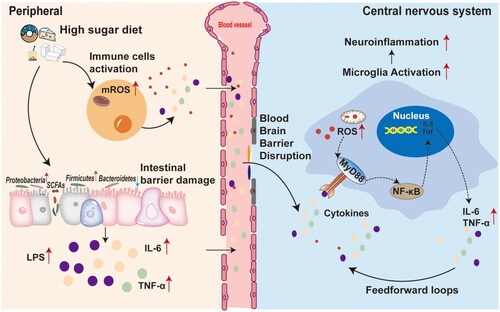
Figure 1. Mechanism by Which High Sugar Intake Disrupts Brain Repair
Source: Adapted and synthesized from experimental and mechanistic studies describing sugar-induced oxidative stress, suppression of brain-derived neurotrophic factor (BDNF), insulin resistance, and mitochondrial dysfunction in the brain [7,11,13,15,17,22].
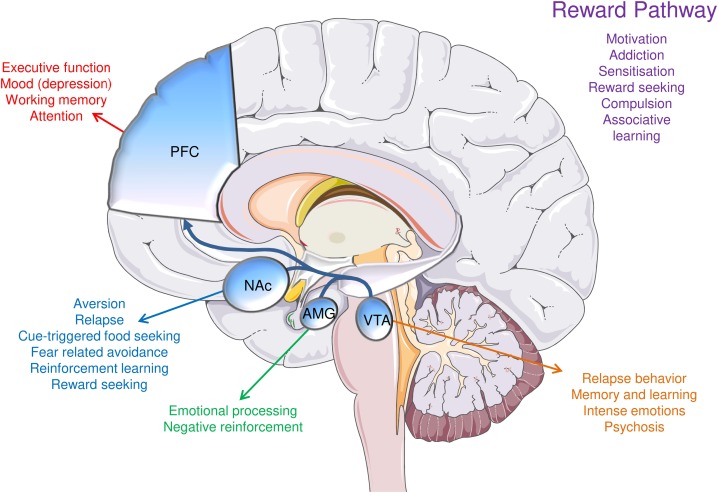
Figure 2. Impact of High Sugar Intake on Cognitive and Molecular Outcomes
Source: Conceptual figure developed based on evidence from animal models and human epidemiological studies examining long-term high sugar intake, cognitive decline, and reduced neuroplasticity [11,18,19,20,24].
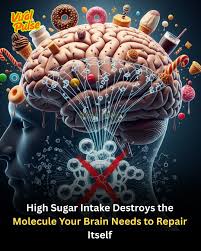
Figure 3. Protective Brain Repair Pathways vs Sugar-Induced Damage
Source: Original schematic illustration synthesized from literature on neurotrophic signaling, antioxidant defense mechanisms, and dietary modulation of brain health [1,3,12,15,23].
Discussion
Evidence shows that overconsumption of carbohydrates inhibits critical microscopic systems essential for the repair of the intelligence. BDNF reduction prevents the repair of synapses, while a failure to put oneself in the place of another insulin prevents the strength function of nerve cells [13, 14,22]. Oxidative stress compromises the integrity of the container sheet, proteins, and DNA of neurons, with the speed of the loss of function [15,23]. These differing machines communicate and demonstrate the link between extreme carbohydrate and allure belongings on a decline of cognitive function.
Conclusion
Overconsumption of carbohydrate weakens open intellect on account of damage produced to neurotrophic pathways, insulin pathways, and antioxidant mechanisms. Hateful back on carbohydrate take care of help claim microscopic integrity and openness and underrate the chances of expanding regressive intelligence disorders. Dietary modifications to lower sugar consumption concede the possibility of gaining extreme significance in reconstructing brain energy and hampering afflictions [24, 25].
Acknowledgment
The authors gratefully acknowledge the guidance of Dr. Naweed Imam Syed, Professor of Cell Biology at the University of Calgary, for his invaluable insights and mentorship throughout this work.
Authors’ Contribution
All authors contributed to the conception, design, analysis, and writing of this manuscript. Each author reviewed and approved the final version for publication
References
- Park H, Poo MM. (2013) Neurotrophin regulation of neural circuit development. Nat Rev Neurosci.;14:7
View at Publisher | View at Google Scholar - To improve patient care and subsequent therapies in diabetes and related disorders by contributing to the understanding of brain glucose metabolismCereb Blood Flow Metab;39:1133-1151.
View at Publisher | View at Google Scholar - Arnold SE, (2018)et al. Brain insulin resistance in type 2 diabetes. Lancet Neurol. 17:113-123
View at Publisher | View at Google Scholar - Morris MC, (2015) et al. Diet and cognitive decline. Neurology.;84:1-8
View at Publisher | View at Google Scholar - Molteni R, et al. High-fat, refined sugar diet reduces hippocampal BDNF. Neuroscience. 200;112:803
View at Publisher | View at Google Scholar - Gomez-Pinilla, F.
View at Publisher | View at Google Scholar - Kleinridders A, (2014) et al. Insulin resistance in the brain. Nat Rev Neurosci.;15723-736.
View at Publisher | View at Google Scholar - Butterfield DA.( 2016) Oxidative stress in neurodegeneration. Antioxid Redox Signal;25:129-152.
View at Publisher | View at Google Scholar - Lin MT, Beal MF. Mitochondrial dysfunction in neurodegenerative diseases. Nature. 2006;443:787-795
View at Publisher | View at Google Scholar - Ye X, , (2018) et al. Dietary sugars and cognitive function. American Journal of Clinical Nutrition108:1303-1311,
View at Publisher | View at Google Scholar - Taylor MK, et al. Added sugar consumption and memory. Neuroscience Letters Journal, vol. 346,145-152
View at Publisher | View at Google Scholar - Craft S. (2012)Insulin resistance and Alzheimer’s disease. Arch Neurol. 69:123-128.
View at Publisher | View at Google Scholar - Freeman LR, Granholm AC.
View at Publisher | View at Google Scholar - Reichelt AC. Sugar and cognitive deficits. Front Neurosci.;10,84
View at Publisher | View at Google Scholar - Kanoski SE, Davidson TL.( 2011)Western diet and memory. Physiol Behav.;103:59-68.
View at Publisher | View at Google Scholar - Malik VS, (2010) et al. Sugar-sweetened beverages and health. Circulation. 121:1356-1364
View at Publisher | View at Google Scholar - Francis H, Stevenson R. (2013) Sugar and brain function. Nutrients.;5:2439-2462
View at Publisher | View at Google Scholar - Mattson MP. (2012)Energy intake, brain health, and function. Nat Rev Neurosci. 13:91-104
View at Publisher | View at Google Scholar - Hsu TM, . (2015)et al. Sugar-induced hippocampal dysfunction. Behav Brain Res.292:173-183.
View at Publisher | View at Google Scholar - Mergenthaler P, (2013)et al. Sugar metabolism in the brain. Trends Neurosci.;36:587-597
View at Publisher | View at Google Scholar - Stranahan, A.M., & Mattson, M.P. (2012). Metabolic regulation of Neurobiol Learn Mem. 96:543-551.
View at Publisher | View at Google Scholar - Pugazhenthi S, (2017)et al. Insulin signaling and neurodegeneration. J AlzheimersDis.;57:1093-1114
View at Publisher | View at Google Scholar - Singh A, (2019) et al. Diet-induced oxidative stress and cognition. Free Radic Biol Med.;134:544-556
View at Publisher | View at Google Scholar - Jacka FN,( 2014) et al. Diet quality and mental health. Br J Psychiatry.;204:260-268
View at Publisher | View at Google Scholar